

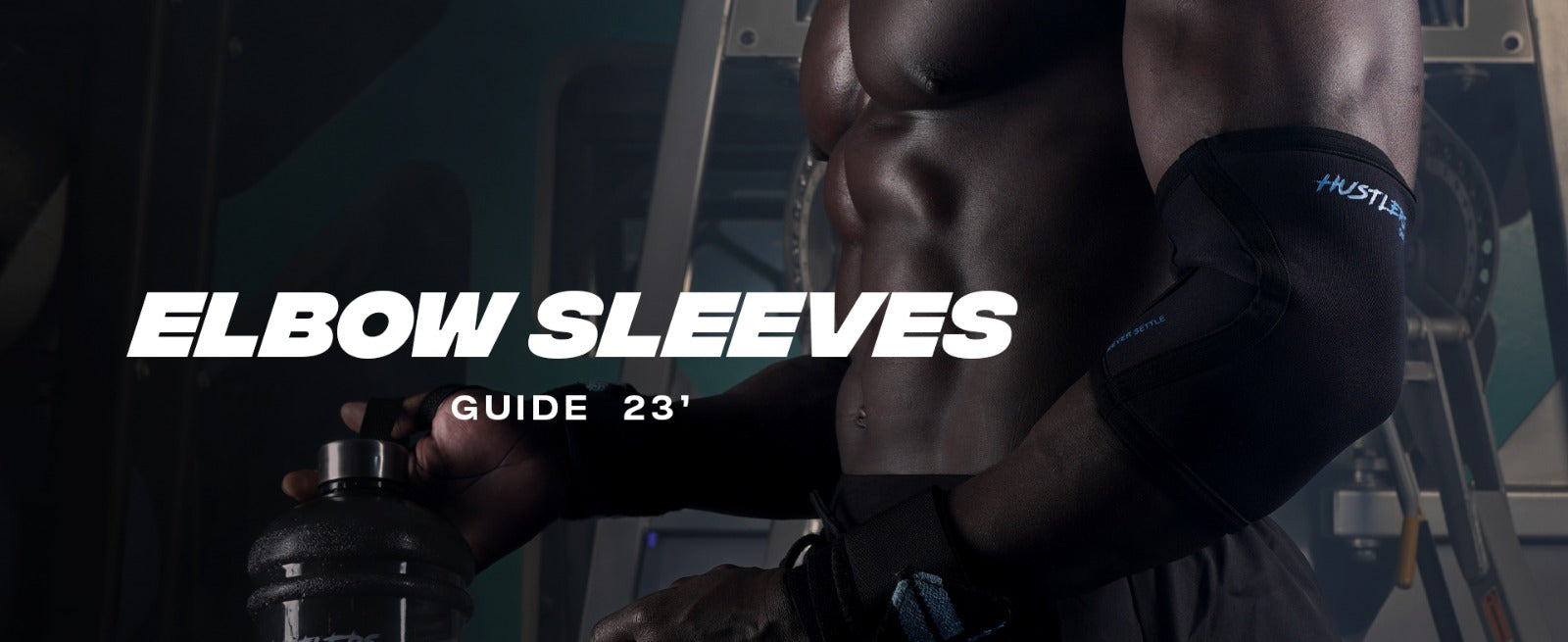
In this article, we cover what is elbow sleeves. How do we select the right size? What do elbow sleeves do? How do we choose the right elbow sleeves, and where to get the best elbow sleeves available?
What are elbow sleeves?
Elbow sleeves are made from neoprene. It provides heat, support, and stability. They wear on arm. They cover your upper forearm to your lower triceps. it has a thickness of 3mm to 7mm.
What do elbow sleeves do?
Gaining more and more popularity within the fitness world. Elbow sleeves provide compression and warmth to the elbow. It is helping you to perform with better control and stability.
Elbow sleeves increase the body’s ability to lift more. While using the elbow sleeves you feel the warming effect of the elbow sleeves.
Elbow sleeves also are used post-workout. it provides compression and warmth to get pain support and relief.
The benefit of using elbow sleeves
- Elbow support
- Elbow compression
- Elbow recovery
- Lift more weight
Elbow support:
Elbow sleeves provide support to the elbow when you are doing a workout. By using an elbow sleeve, you lift more without fear of losing support. It allows you to perform better during bench-press and upper-body workouts.
Provide compression
The compression material provides support to the elbow and you can use this during weightlifting, CrossFit training, and basketball.
Elbow recovery
Elbow sleeves warm your elbow and increase blood flow in your elbow. It is helpful in elbow pain and swelling. Elbow sleeves make the elbow recovery process faster.
Lift more weight
The thick compression material provides needed support, and stability to the elbow during the heavyweight. That is why they are popular among weightlifters and powerlifters.
How do we choose the right elbow sleeves?
There are a few variations of elbow sleeves whether you are finding weightlifting elbow sleeves, powerlifting elbow sleeves, and CrossFit elbow sleeves. Ultimately, they all have the same functionality and provide support, compression, and pain relief.
Powerlifting or weightlifting elbow sleeves
Powerlifters use thicker elbow sleeves. The powerlifter elbow sleeves thickness is 5mm to 7mm. The thicker elbow sleeves provide more compression, support, and stability to your elbow. that’s why powerlifters prefer thicker elbow sleeves.
CrossFit elbow sleeves
The CrossFit elbow sleeves thickness is 3mm to 7mm. mostly CrossFit athlete uses 5mm elbow sleeves. Elbow sleeve material provides heat, compression, support, and stability. It helps regulate blood flow, improve muscle mobility and reduce muscle stiffness.
How to measure?
The common question that comes into mind is how to measure and find the right fit. How tight should elbow sleeves be? Both questions are valid. Compression elbow sleeves should not be loose in fact they should fit so you can get the right support.
The elbow sleeve should not be so tight that it cuts off flow or feels like it’s pinching your elbow/skin. To find the right elbow sleeve size, you’ll need a measuring tape. For correct sizing measure the circumference of your elbow
Where to get the best Elbow Sleeves in Pakistan?
If you are looking for quality elbow sleeves to help you reach your fitness goals and get support and relief pain, Hustlers Only offer premium elbow sleeves that are ideal for any functional training.
Share:
Weightlifting & Powerlifting Knee Sleeves
Exploring the Purpose and Benefits of Gym Towels